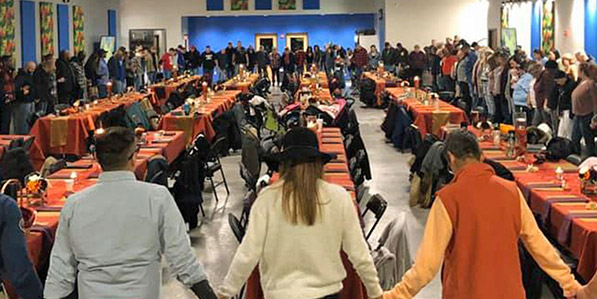
For many the legal system begins here, with a mistake. For others, it begins with an unforeseen battle. Criminal trials generally centre on mental health difficulties, substance use and personal suffering. That reality has helped fuel the creation of Wellness Court programs in Kansas City, Mo. These courts do it differently. They emphasize recuperation, assistance, and long-term success instead of simply punishment. The objective is simple: attack the fundamental cause of criminality and assist people construct stable lives. That strategy is transforming lives across Kansas City.
A Different Type of Courtroom
Courts of common law tend to deal with the legal question before them. Wellness Courts are more. Participants enroll into a structured program that combines court supervision with treatment programs, counseling, drug testing and regular progress evaluations. Judges, case managers, treatment providers and community partners all work as a team. “It’s about repairing a broken foundation, not just about covering up cracks in a wall.” The technique is not fast but the outcomes are typically longer lasting. Many of those who participate have issues with addiction, mental illness or trauma. Those difficulties can lead to multiple arrests without help. Wellness Courts work to disrupt that cycle.
Why Kansas City Needs Wellness Courts
Kansas City isn’t the only city confronting challenges connected to substance use and mental health. Across Missouri, communities are looking for new strategies to decrease repeat offenses and improve public safety. The point is, jail alone rarely cures addiction or untreated mental disease. People often leave custody with the same problems they had when they arrived. Untreated, those problems increase the risk of another arrest. Wellness Courts are another possibility. Participants are held accountable, but they are also given the means to improve. Treatment plans, career help, education chances and life skills training get people moving forward. That’s what counts.
Real Change Needs More Than Punishment
Recovery is not a straight line. Some of the contestants fail. Others need more support. Wellness Courts know that real change takes work, time, and coaching. The structure can be brutal. Participants are required to attend meetings, follow treatment plans, attend court, and complete severe program criteria. But those expectations create something of value: accountability. With the support of professionals invested in their success, people learn to make better decisions. Over time, many individuals repair relationships, acquire steady work, and gain confidence. Small wins start adding up. Sometimes those little wins can change everything.
“Stronger Families, Safer Communities”
The impact of Wellness Court does not just stop at the individual participant. Family members often benefit, too, when someone becomes sober. Parents become more present. Children get stability. Relationships can improve. And communities gain, too. Lower rates of recurrent offenses can help relieve demand on jails, courts and law enforcement resources. People receive help and assistance before their problems grow, helping to make communities safer. This is not just a practical but also a human solution.” Every success story is someone who found a better way and persevered with it.
The Role of Specialty Courts in Kansas City
Central to this initiative have been Kansas City Specialty Courts. These courts look at the factors that feed criminal behaviour but promote responsibility and recovery. Their approach echoes a rising consciousness that justice and rehabilitation are not mutually exclusive. Participants are held to high standards. And they gain access to resources that help them flourish outside the courtroom. This balanced approach has continued to receive support from courts, treatment providers, community leaders and local citizens.
Community Action Helping the Mission
Court programs can’t succeed by themselves. Community involvement is a key factor in supporting individuals to sustain their success. That’s where Beyond the Bench KC comes in. Based in Kansas City, Missouri, Beyond the Bench KC strives to raise awareness and community support for the Specialty Courts’ rehabilitative goal. “True justice is not about punishment but about addressing the root causes of criminal behavior,” the organization says. Their work helps to bridge the gap between the public and the purpose and usefulness of Specialty Courts. They involve the wider community in the rehabilitation effort through education, outreach and lobbying. Communities who understand the mission tend to support it. That support can lead to jobs, housing, mentoring and other services that help people create stable futures.
Looking Forward
Wellness Courts continue to change the future of justice in KC. More people are realizing that treatment and accountability are not mutually exclusive concepts. They function best in combination. Addressing addiction, mental health issues and personal adversity in the justice system can lead to better results for individuals and communities. The rise of Wellness Court programs underscores that change in how we think. One individual gets well. One family receives stability. One community becomes stronger. These changes may begin in a courtroom, but their effects ripple far beyond.
FAQ (Frequently Asked Questions)
1. What is a Wellness Court?
Short Answer:
A Wellness Court is a specialty court that combines treatment, supervision and accountability to help people resolve issues that cause criminal behavior.
Answer in Detail:
Participants work closely with judges, treatment providers and support staff. The program is built on rehabilitation, personal accountability and reducing recidivism through organized support and frequent judicial reviews.
2. Who can take part in a Wellness Court program?
Short Answer.
Eligibility will depend on the court criteria and the individual’s circumstances.
Answer in Detail:
We have several programs to work with folks who have cases including substance use, mental health issues, or other similar problems. Courts will look at each case closely to decide if someone is eligible.
3. What do Wellness Courts do to prevent recidivism?
Short Answer.
They head to the crime source.
Answer in Detail:
Wellness Courts offer therapy, counseling, education and supervision to assist participants in learning healthier habits and making better choices, minimizing the chance they will be re-arrested.
4. How are Kansas City Specialty Courts different than regular courts?
Short Answer:
They stress accountability and rehabilitation.
Answer in Detail:
Traditional courts focus on the violation of the law, but Specialty Courts focus on recovery and long-term success. Participants are court supervised and provided support services.
5. How is Beyond the Bench KC involved with Wellness Courts?
Short Answer:
Beyond the Bench KC is raising awareness and community support for Specialty Courts.
Answer in Detail:
The organization raises awareness of the therapeutic purpose of Specialty Courts. Beyond the Bench KC provides outreach and education to build community engagement and support for enduring positive change.