
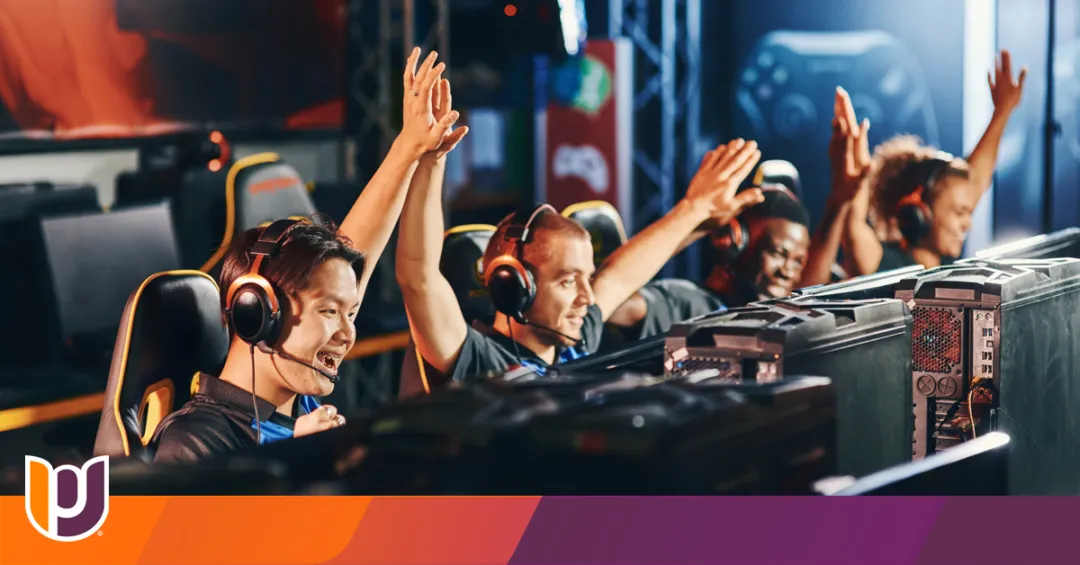
Online sbobet is more than just entertainment—it is a deeply engaging psychological experience. Millions of players return to their favorite games daily, often spending hours immersed in virtual worlds. This strong attraction is not accidental; it is the result of carefully designed game mechanics that tap into human motivation, reward systems, and social behavior.
Understanding the psychology behind online gaming helps explain why it has become one of the most popular forms of digital entertainment in the world.
The Human Need for Reward and Achievement
One of the strongest psychological drivers in online gaming is the reward system. Games are designed to give players a sense of progress, accomplishment, and satisfaction.
Leveling Systems
Most online games use leveling systems that reward players for time and effort. Each level gained creates a sense of achievement and encourages continued play.
Unlockable Content
New characters, skins, abilities, and items give players long-term goals to work toward.
Progress Tracking
Visible progress bars, rankings, and statistics reinforce motivation and keep players engaged.
The Role of Competition
Competition is a core element of online gaming psychology. Many players are naturally motivated by the desire to win, improve, and outperform others.
Ranked Matches
Ranked systems push players to improve their skills and climb competitive tiers.
Leaderboards
Public rankings create a sense of status and recognition among players.
Skill-Based Matchmaking
Balanced competition keeps players challenged without making the experience frustrating or too easy.
Social Connection and Belonging
Online gaming fulfills an important psychological need: social belonging. Many players return to games not just for gameplay, but for the people they interact with.
Team Cooperation
Working with teammates builds trust and communication.
Online Friendships
Players often form long-lasting friendships through shared gaming experiences.
Guilds and Clans
Structured groups create a sense of identity and belonging within games.
The Dopamine Effect in Gaming
Online gaming activates the brain’s reward system through dopamine release. Small victories, achievements, and rewards create positive feelings that encourage repeated behavior.
Frequent Rewards
Games often provide small rewards at regular intervals to maintain engagement.
Unpredictable Outcomes
Random rewards, such as loot boxes or rare drops, increase excitement and anticipation.
Immediate Feedback
Players instantly see the results of their actions, reinforcing engagement.
Escapism and Stress Relief
Many players use online gaming as a way to escape from real-world stress and responsibilities.
Virtual Worlds
Games offer immersive environments where players can temporarily disconnect from reality.
Emotional Relief
Winning matches or completing challenges provides a sense of relief and satisfaction.
Controlled Environments
Unlike real life, games offer structured systems where outcomes feel fair and predictable.
Identity and Self-Expression
Online gaming allows players to express themselves in ways that may not be possible in real life.
Customization
Avatars, skins, and character builds allow personal expression.
Role-Playing
Players can adopt different identities and explore alternate personalities.
Reputation Systems
In-game reputations give players a sense of identity within communities.
Fear of Missing Out (FOMO)
Game developers often use time-limited events and seasonal content to create urgency.
Limited-Time Events
Exclusive rewards encourage players to log in regularly.
Seasonal Rewards
Battle passes and seasonal systems motivate continuous engagement.
Event-Based Content
Special updates create excitement and community participation.
Habit Formation in Gaming
Online games are designed to build habits through consistent engagement loops.
Daily Rewards
Login bonuses encourage daily participation.
Routine-Based Gameplay
Players develop regular slot pulsa schedules over time.
Long-Term Progression
Persistent progress systems keep players invested for months or even years.
The Balance Between Enjoyment and Overuse
While online gaming offers many benefits, excessive play can lead to negative effects if not managed properly.
Time Awareness
Players may lose track of time during immersive gameplay sessions.
Emotional Attachment
Strong engagement can make it difficult to disconnect from games.
Importance of Balance
Healthy gaming habits ensure that entertainment remains positive and sustainable.
The Future of Psychological Design in Games
As technology advances, game design will become even more personalized and adaptive. Artificial intelligence will likely play a major role in understanding player behavior and adjusting experiences in real time.
Future games may offer more balanced reward systems, improved mental health awareness features, and smarter engagement models that prioritize player well-being.
Conclusion
The psychology of online gaming explains why it has become such a powerful global phenomenon. Through reward systems, social interaction, competition, and immersive design, games create deeply engaging experiences that keep players coming back.
As the industry continues to evolve, understanding these psychological factors will be essential for creating healthier, more balanced, and more enjoyable gaming experiences for players around the world.