
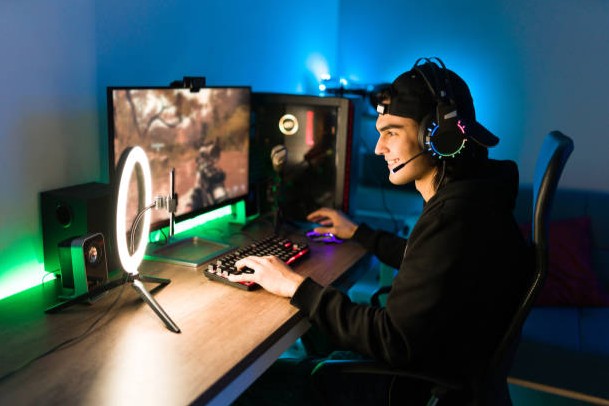
Have you noticed how many online games now try to keep players interested with more than just basic controls and simple objectives?
In the past, a game could rely heavily on one central mechanic, such as racing, shooting, matching, or completing levels. That core mechanic still matters, but modern online gaming often adds much more around it. Visual design, sound, progression, social interaction, live events, customisation, and community features all contribute to the overall experience.
For players, this means choosing a game is no longer only about asking, “Is the gameplay good?” It is also about how the game feels over time.
Core Mechanics Still Matter
Every situs slot game needs a basic system that gives players something to do.
That may involve movement, strategy, timing, aiming, collecting, building, or solving problems.
Mechanics Create the Foundation
A strong core loop might involve:
- Completing short matches
- Exploring an environment
- Solving challenges
- Managing resources
- Competing against other players
- Working with a team
These actions give the game structure.
However, two games can use similar mechanics and still feel completely different because of everything built around them.
Visual Design Shapes the First Impression
Players often notice the visual style before they fully understand the rules.
Colours, animation, menus, character design, environments, and interface layout all influence how the game feels.
Presentation Can Change the Mood
The same basic mechanic can feel:
- Fast and energetic
- Calm and relaxed
- Serious and competitive
- Playful
- Cinematic
Visual design does not replace good gameplay, but it can make the experience easier to understand and more memorable.
Sound Makes Digital Actions Feel More Responsive
Sound is another important part of the experience.
A button press, successful action, completed objective, or warning can all feel clearer when audio responds immediately.
Audio Provides Useful Feedback
Games may use different sounds for:
- Completing an objective
- Taking damage
- Unlocking something
- Winning a match
- Receiving a message
- Entering a new area
Good audio helps players understand what is happening without constantly reading the screen.
It also contributes to atmosphere.
Progression Gives Players Longer-Term Goals
Simple mechanics can become more engaging when players feel that their actions lead somewhere.
Progression systems provide that sense of movement.
Players May Work Toward Different Goals
A game might include:
- Character levels
- Rankings
- Achievements
- New equipment
- Cosmetic unlocks
- Seasonal progress
These systems can give players reasons to return.
However, progression should not automatically be treated as a reason to keep playing when the experience stops being enjoyable.
Social Features Have Changed the Meaning of Online Play
Many online mahjong ways 2 games are also social spaces.
Players can communicate, cooperate, compete, and spend time together.
Interaction Becomes Part of the Game
Common social features include:
- Voice chat
- Text chat
- Friend lists
- Teams or groups
- Cooperative missions
- Shared events
For some players, the people they play with become just as important as the actual mechanics.
That can make online gaming feel more like a shared activity than a solo digital product.
Competition Adds Another Layer
Competitive systems can make basic mechanics feel more meaningful.
A simple match becomes more intense when rankings, tournaments, or team performance are involved.
Competition Creates Clear Comparisons
Players may be able to measure:
- Rank
- Match results
- Win-loss records
- Team performance
- Seasonal progress
This can encourage improvement.
At the same time, competition can create frustration. Taking breaks after repeated losses can help keep the experience enjoyable rather than stressful.
Customisation Makes the Experience More Personal
Many games allow players to change how characters, profiles, equipment, or environments look.
This may not affect the basic mechanics at all.
Yet it can still strongly influence how connected a player feels to the game.
Personalisation Supports Expression
Players may customise:
- Character appearance
- Clothing
- Profile badges
- Equipment styles
- Emotes
- Interface settings
These options let players create a more personal experience.
If customisation involves real-money purchases, it is worth checking whether the item is optional and whether it offers enough value for the cost.
Live Updates Make Games Feel Less Static
Online games can change long after their original release.
Updates, events, new modes, and seasonal changes can keep the experience evolving.
The Game Can Become an Ongoing Service
New content may include:
- Maps
- Challenges
- Characters
- Story updates
- Temporary modes
- Community events
This can make the game feel fresh.
Players do not need to participate in every limited-time event, though. Trying to complete everything can turn entertainment into a routine or obligation.
Community Extends Beyond the Game Itself
The experience often continues outside the game.
Players may watch streams, discuss strategies, share clips, or participate in online communities.
Playing Is Only One Part of Participation
A person can engage with a game by:
- Watching others play
- Reading guides
- Discussing updates
- Sharing creative content
- Following competitions
This wider ecosystem makes modern gaming feel more like a form of digital culture than a single activity.
Convenience Has Changed Playing Habits
Mobile devices, cloud services, and cross-device access have made online gaming easier to fit into daily life.
A player can often join a short session with very little preparation.
Easy Access Can Increase Frequency
Convenience is useful, but it can also make repeated short sessions easy to overlook.
Notifications, daily rewards, and invitations from friends may encourage frequent returns.
Turning off unnecessary notifications or setting personal time limits can help keep gaming balanced.
Interface Design Is Part of the Experience Too
Menus, controls, navigation, and feedback systems might not sound exciting, but they have a major effect on how a game feels.
A confusing interface can make even strong mechanics frustrating.
Clear Design Reduces Friction
Players should be able to understand:
- What they need to do
- Where important controls are
- What changed after an action
- How to adjust settings
- How to leave or pause when possible
Good interface design allows players to focus more on the game and less on figuring out the screen.
Online Gambling Can Use Similar Experience Design
Some gambling-related games also use animation, progression-style features, sound, social elements, and polished interfaces.
These similarities can make them feel close to ordinary digital games.
Financial Risk Still Makes Them Different
If real money is being wagered, the experience carries a different kind of risk.
Visual excitement, bonus effects, or social features do not make gambling a reliable way to earn money.
Players should use only a fixed entertainment budget and never gamble with money needed for food, rent, bills, savings, or other essentials.
A Better Experience Is Not Always a More Complex Game
More features do not automatically make a game better.
Sometimes simple mechanics with clear design create a stronger experience than a game filled with systems that compete for attention.
What Matters Is How the Elements Work Together
A well-designed game usually makes its different parts support each other.
The mechanics, sound, visuals, progression, interface, and social features should feel connected rather than added simply for the sake of having more content.
That balance often matters more than the number of features.
Conclusion
Online gaming has become more about the complete experience because players now interact with much more than the core mechanic.
Visual design, sound, progression, competition, social interaction, customisation, live events, and community features all shape how a game feels.
The mechanics remain the foundation, but they are only one part of the modern experience.
For players, the most useful approach is to look at the whole picture: whether the game is enjoyable, clear, manageable, socially comfortable, and worth the time or money being spent on it.