Food in the workplace plays a much bigger role than many realize. Beyond satisfying hunger, it influences employee wellness, energy levels, and even the overall culture of a company. As businesses search for ways to build stronger teams and create more supportive environments, dining programs are increasingly viewed as essential rather than optional. The right food solutions can transform the workplace into a healthier, more connected, and more productive space.
Why Food Matters in the Modern Office
The modern workforce expects more from their employers than just a paycheck. Employees want to feel valued and supported, and food services are one of the most direct ways companies can demonstrate this care. When businesses provide meals that are convenient, nutritious, and diverse, they show commitment to employee well-being.
These efforts don’t go unnoticed. Workers who feel their needs are being met are more engaged, more loyal, and more motivated to perform at their best. Food is not just fuel—it’s part of the employee experience.
Supporting Health and Performance
Nutrition directly impacts focus, energy, and productivity. Balanced meals that include proteins, vegetables, and whole grains help employees stay energized and attentive throughout the day. Without access to healthy meals, employees may rely on fast food or snacks, which can lead to fatigue, stress, and reduced efficiency.
By providing thoughtful dining programs, companies ensure that employees have the resources they need to sustain performance. The return on investment is clear: healthier meals lead to healthier employees, and healthier employees lead to stronger business results.
Creating Community Through Dining
Food also serves as a natural connector. Shared meals give employees the chance to interact outside of formal meetings and departmental boundaries. Dining spaces become hubs of collaboration and creativity, where casual conversations often lead to new ideas.
This sense of community contributes to workplace culture, making employees feel more connected to their colleagues and more invested in the company’s success. Dining solutions are not just about meals—they’re about building relationships.
Balancing Cost and Quality
One of the challenges companies face is finding the right balance between offering quality meals and managing costs. Poor-quality food can undermine the program and reduce participation, while overspending can strain budgets.
Professional planning makes the difference. By working with providers that understand both nutrition and operations, businesses can design programs that deliver value without unnecessary waste or expense. When managed well, food programs are both cost-effective and impactful.
The Role of Professional Providers
Running an effective food program requires expertise in sourcing, menu planning, and food safety. Many businesses partner with professional providers who specialize in designing and managing workplace dining.
Working with corporate food services ensures that employees receive consistent, high-quality meals tailored to their needs. These providers bring structure, efficiency, and creativity to workplace dining, allowing companies to focus on their core operations while still delivering a strong employee experience.
Meeting Modern Expectations
Employee expectations around food are evolving quickly. Workers want more than just convenience—they want meals that align with modern food trends and dietary preferences. Common expectations include:
- Healthy options with balanced nutrition.
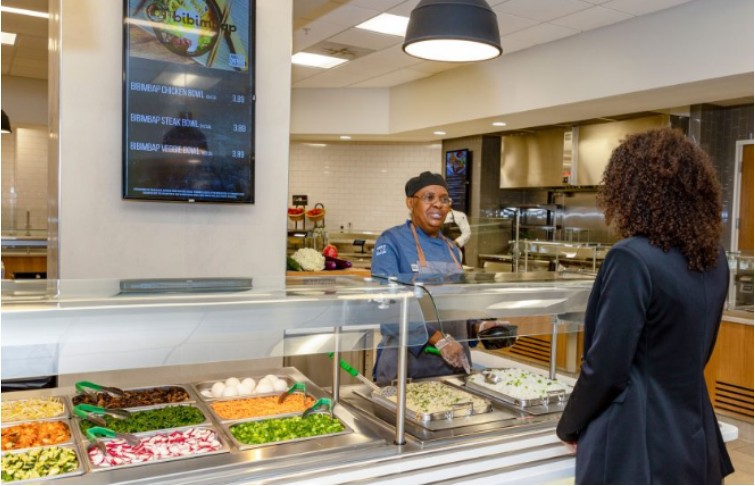
- Customization through salad bars, made-to-order meals, and grab-and-go items.
- Diversity that reflects global cuisines and cultural variety.
- Inclusivity for dietary restrictions such as vegetarian, vegan, and gluten-free.
Meeting these expectations ensures employees feel supported and included, boosting overall satisfaction with the workplace.
Sustainability as a Standard
Sustainability is becoming a non-negotiable part of food programs. Employees care about where their food comes from and how it’s served. Companies are increasingly adopting eco-friendly practices such as sourcing local ingredients, reducing packaging waste, and minimizing food waste.
These efforts resonate with employees while also aligning with corporate social responsibility initiatives. Sustainable food services not only enhance reputation but also demonstrate that the company is forward-thinking and responsible.
Technology and the Dining Experience
Technology has transformed how employees interact with workplace dining. Mobile ordering apps, self-service kiosks, and digital menus provide convenience and transparency. Employees can pre-order meals, track nutritional content, and avoid long lines, creating a smoother experience overall.
For businesses, technology also offers valuable insights into dining preferences and trends, making it easier to adjust programs and maximize participation.
Looking Forward
As businesses adapt to the changing needs of their workforce, food programs will continue to play a central role. Dining is no longer an afterthought—it’s a strategic tool for improving productivity, fostering culture, and supporting wellness.
By partnering with professionals, focusing on nutrition, and embracing innovation, companies can create food services that enhance workplace wellbeing. In today’s competitive landscape, these programs are more than benefits—they are essential investments in people and performance.