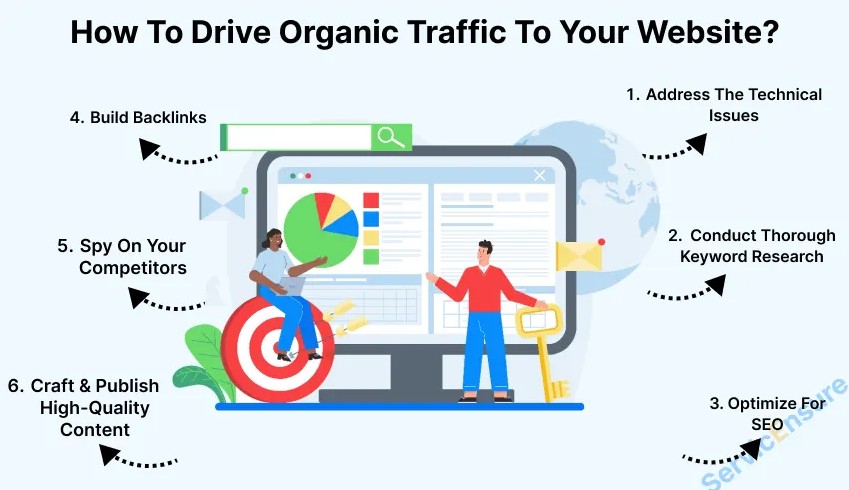
In today’s digital landscape, acquiring organic traffic has become a cornerstone of effective online marketing strategies. For businesses seeking sustainable growth, understanding the nuances of organic traffic is essential. Unlike paid advertising, which offers immediate visibility but often at a high cost, organic traffic represents a long-term investment in search engine optimization (SEO), content marketing, and user engagement. However, navigating the complexities of organic traffic acquisition requires a strategic approach that balances quality and quantity. This article delves into practical considerations for businesses looking to enhance their online presence through organic traffic. We will explore key factors such as identifying target audiences, optimizing website performance, and creating valuable content that resonates with users while adhering to search engine guidelines. Additionally, we will address the importance of analytics and tracking to measure the effectiveness of organic strategies. By understanding these critical components, businesses can develop a robust plan that not only drives traffic but also cultivates a loyal customer base and fosters brand credibility. Whether you are a small startup or an established enterprise, harnessing the power of organic traffic can significantly impact your bottom line and lead to sustained success in an increasingly competitive market.
– Assessing the value of organic traffic
Evaluating the worth of organic traffic is crucial for businesses considering a strategic investment in digital marketing. Organic traffic, characterized by visitors who arrive at a website through unpaid search results, typically signifies higher engagement and conversion potential compared to paid traffic. This is largely due to the inherent trust consumers place in organic search results, often viewing them as more credible. Businesses looking to buy organic traffic should analyze key metrics such as click-through rates, bounce rates, and conversion rates to gauge the effectiveness of their organic channels. Understanding the long-term benefits of cultivating high-quality organic traffic can lead to sustainable growth and improved brand visibility.
Moreover, the value of organic traffic extends beyond immediate metrics; it encompasses the cumulative effect on brand authority and customer loyalty. Unlike paid advertising, which ceases to deliver traffic once the budget is exhausted, organic traffic can provide ongoing returns with proper optimization and maintenance. Businesses may consider employing tools for tracking keyword performance and user behavior, allowing them to refine their strategies and enhance their organic presence. In this context, investing in organic traffic can be seen not just as a short-term tactic, but as a fundamental aspect of a holistic digital marketing approach that fosters lasting relationships with customers.
– Evaluating sources for reliable traffic
investments stop, organic traffic builds a foundation of trust and recognition over time. Businesses looking to buy organic traffic must prioritize sourcing from reputable providers who employ legitimate strategies that align with search engine guidelines. Evaluating the reliability of these sources involves scrutinizing their methodologies, transparency in reporting, and testimonials from previous clients. By ensuring the authenticity of the traffic, companies can mitigate the risks associated with black-hat practices that could lead to penalties from search engines, ultimately safeguarding their online reputation.
Additionally, it is essential to assess the demographics and interests of the traffic being acquired. Reliable sources will provide insights into the audience profile that corresponds to a business’s target market. Understanding whether the traffic consists of genuine potential customers ensures that the investment in organic traffic yields meaningful engagement and conversions. Therefore, a thorough examination of both the source’s credibility and the traffic’s relevance to the business’s goals is paramount for achieving lasting success in the competitive digital landscape.
– Measuring ROI on organic traffic purchases
Measuring the return on investment (ROI) from purchasing organic traffic is crucial for businesses to determine the effectiveness and value of their expenditures. This process involves analyzing various metrics, such as conversion rates, customer lifetime value, and overall revenue generated from the acquired traffic. By integrating tracking tools and analytics, companies can establish a clear picture of how purchased organic traffic contributes to their bottom line. It’s vital to compare the performance of organic traffic against other marketing channels to ascertain its relative worth, allowing businesses to make informed decisions about future investments.
Moreover, understanding the long-term impact of buying organic traffic is essential. While immediate results may be evident, companies should consider the ongoing relationship with acquired audiences, including repeat visits and engagement rates. Metrics like average session duration and bounce rates can provide insights into whether the traffic is engaging with the site in a meaningful way. By assessing both short-term gains and long-term customer interactions, businesses can evaluate the sustainability of their investment in organic traffic and refine their strategies accordingly.
In conclusion, investing in organic traffic can be a strategic move for businesses seeking sustainable growth and improved online visibility. However, it is essential to approach this endeavor with careful consideration and a well-defined strategy. From understanding your target audience and optimizing your website for search engines to creating high-quality content and fostering genuine engagement, each aspect plays a pivotal role in attracting and retaining organic visitors. By prioritizing these practical considerations, businesses can cultivate a robust online presence that not only drives traffic but also enhances brand credibility and customer loyalty in the long run. As the digital landscape continues to evolve, those who adapt and invest in organic traffic will be well-positioned to thrive in an increasingly competitive market.