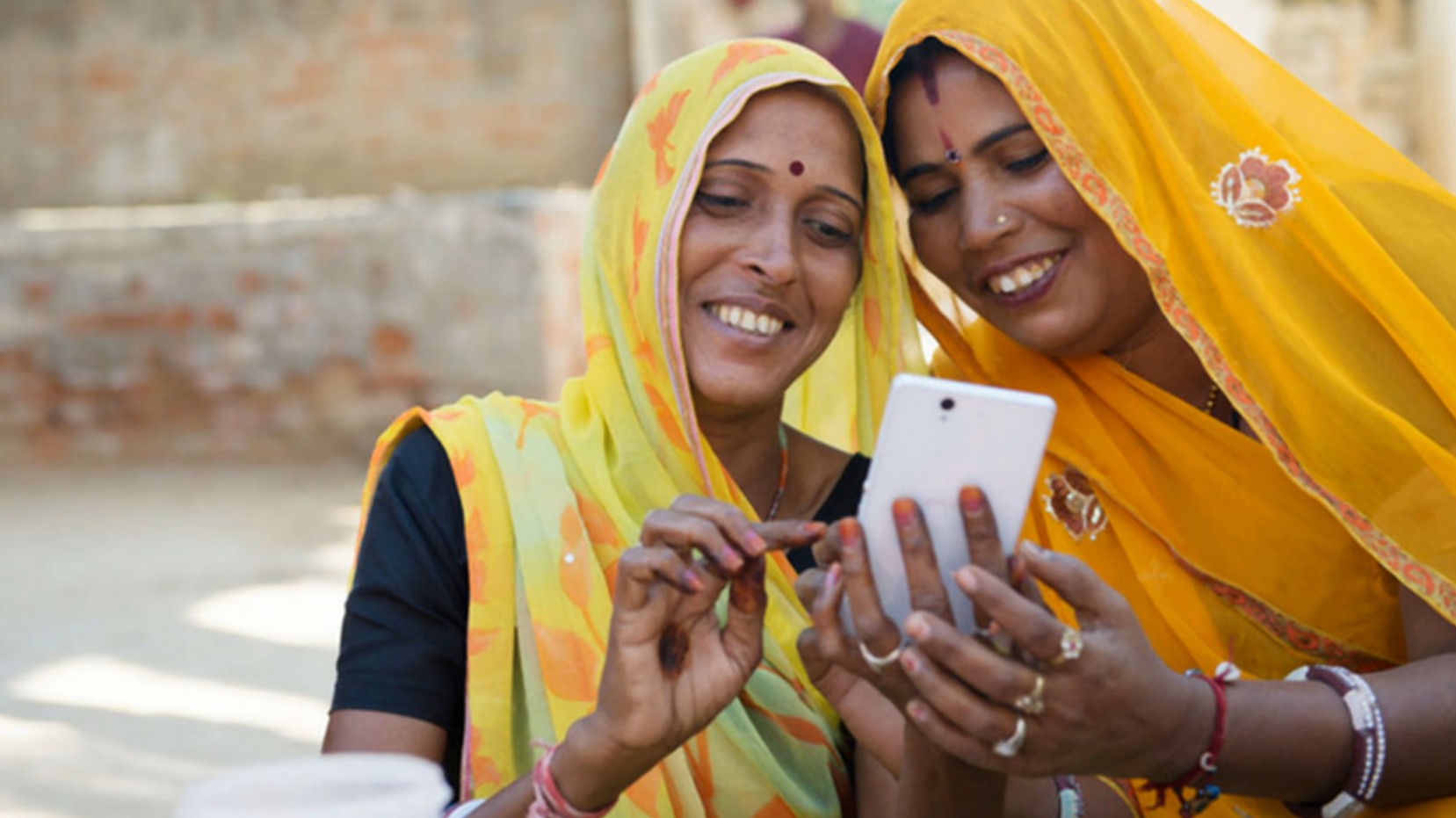
Once upon a time, to meet someone, you had to find the courage to approach a stranger and say the first words. Now, all you have to do is tap the screen with your finger. Romance has not disappeared with the advent of technology — it has transformed, taking on new forms and possibilities. Today, a first date can happen long before a real meeting, and you can fall in love with someone living on another continent. Let’s take a look at how digitalization has changed our ideas about love and what this means for modern relationships.
The end of geography: when distance loses its meaning
A generation ago, the choice of a partner was limited to one’s physical surroundings. Work, school, neighborhood, mutual acquaintances — that was the entire list of possibilities. Residents of small towns often remained single simply because there was no one suitable around. Geography dictated the conditions, and one had to accept it.
The internet broke down these barriers in one fell swoop. Today, your significant other could be anywhere: in the next neighborhood or across the ocean. Distance is no longer an obstacle — thanks to instant messaging, video calls, and social networks, we can maintain closeness regardless of the kilometers between us.
This has opened up incredible opportunities for people with special interests. A lover of medieval history from a provincial town can now find like-minded people who share her passion. An introverted programmer doesn’t have to go to noisy bars — he will find understanding in themed online communities. A person of non-traditional orientation in a conservative region gains access to a world where they can be themselves.
Digital space has leveled the playing field. Here, it doesn’t matter how sociable you are, whether you know how to make a good first impression, or whether you are attractive by standard measures. Other qualities are important: depth of thought, sense of humor, and empathy. For many people, this has been a real liberation — finally, they can show the world their true selves without trying to live up to other people’s expectations.
The statistics are impressive: in large cities, almost half of new couples meet online. This is no longer exotic, but mainstream. Moreover, the trend covers all age groups — from teenagers to people aged 60+. Technology has democratized love, making it accessible to everyone.
Digital sincerity: why the screen helps rather than hinders
Skeptics argue that true intimacy is only possible face to face. But millions of people who have built strong relationships online disagree. Moreover, many note a surprising paradox: behind the protection of a screen, it is sometimes easier to be truly sincere.
The reason is that digital communication removes some of the social pressure. There is no need to respond immediately; you can think about your answer and gather your thoughts before making an important confession. The lack of eye contact makes people bolder — they are willing to talk about things that they would not mention in a face-to-face meeting due to embarrassment or fear of judgment.
Text communication allows you to focus on the content rather than external factors. When you are not distracted by the surroundings, the other person’s clothes, or your own appearance, the entire focus shifts to the essence of the dialogue. A special intimacy arises, based on intellectual and emotional resonance.
Many couples note that they got to know each other online more deeply and quickly than they would have through traditional dating. Correspondence creates a kind of time capsule — you can go back to the beginning of the relationship, reread the first timid messages, and remember how the feeling began. It is a unique chronicle of the romance that is always at hand.
Of course, virtual communication also carries risks. It is easier to hide flaws behind text and create an idealized image. But this is not a problem with technology, but with human nature. People have always embellished themselves — in letters, on dates, even in marriage. The digital format simply provides more tools for this. The key to success is mutual honesty and a desire for authenticity.
The video communication revolution: see, hear, feel
Correspondence is good for getting to know someone, but sooner or later you want to see the person in real life. Hear their voice, see their smile, understand how they laugh or feel sad. This is where video chats come in — a technology that has radically changed online dating.
Video communication is almost like a real meeting, only without the need to spend time traveling and choosing a place. At the same time, you get most of the information that personal contact provides:
- Live facial expressions and emotional reactions
- Voice intonation and manner of speech
- Gestures and body language
- Natural behavior in their environment
- Instant feedback on your words
In a few minutes of video conversation, you can learn more about a person than in weeks of texting. The camera doesn’t lie — it shows a person as they are, without filters or lengthy preparation.
Modern platforms offer various formats for video meetings. Some services, such as Thundr video chat, make it easy to chat with people and get to know them. Other services such as coomeet.chat/thundr offer different ways to set up video calls. The main advantage of such platforms is the ability to instantly assess compatibility and chemistry between people.
The video format also solves the problem of security. A person who is willing to turn on their camera demonstrates openness. This is a natural filter against scammers and those who pretend to be someone else. It is more difficult to deceive someone on a live broadcast than through a carefully edited profile with someone else’s photos.
For those in long-distance relationships, video communication is a real lifesaver. Shared breakfasts on screen, virtual tours of the house, falling asleep with the camera on — all of this creates a sense of presence. The distance remains a fact, but emotionally it shrinks to the size of the screen.
The pitfalls of digital love
It would be unfair to talk only about the advantages. Online dating has its dark sides, which are important to remember. The first and most insidious trap is the illusion of endless choice. When you have thousands of profiles in front of you, it’s easy to start treating people like items in a catalog. This one doesn’t suit you? No problem, there are hundreds more options.
This approach breeds chronic perfectionism. You reject people for minor mismatches, hoping to find the ideal match. As a result, you miss out on those with whom you could have had something real. Psychologists call this the “paradox of abundance” — the more choices you have, the harder it is to make a decision and the higher the likelihood of disappointment.
The second problem is the “perfect profile” phenomenon. Everyone shows off the best version of themselves: flattering photos, witty quotes, impressive achievements. As a result, both fall in love with images that inevitably differ from reality. The meeting can turn into a painful disappointment.
The third danger is related to dependence on constant communication. We get used to our partner always being available. If they don’t respond for a few hours, we start to feel anxious and doubt the sincerity of their feelings. This creates an unhealthy dynamic where the right to personal space is perceived as betrayal.
The fourth issue is security. Scammers, fake accounts, people with dishonest intentions — all of this is part of the digital landscape. Reasonable caution is necessary: don’t rush to disclose personal information, check information, trust your intuition. If something seems suspicious, it probably is.
The fifth difficulty is the risk of emotional burnout. Endless swiping, short conversations that lead nowhere, repetitive questions with every new acquaintance — it’s all exhausting. The search for a partner begins to resemble a second job, and the romance evaporates.
The key to successful digital dating is awareness and balance. Use technology as a tool, but don’t lose your humanity. Strive for real meetings. Be honest and expect honesty. Remember that behind every profile is a real person with feelings and vulnerabilities.
The future of romance: a synthesis of the real and the virtual
Where is the world of relationships headed? Most likely, toward a harmonious blend of online and offline. Technology will not replace live encounters — it will become a natural complement to them. We are learning to balance between two realities, getting the best out of each.
The digital age has not destroyed romance — it has given it new forms of expression. We create shared playlists instead of writing poems. We send voice messages at dawn instead of notes under the door. We share memes that only the two of us understand. It’s a different language of love, but no less sincere.
The main achievement of digitalization is the expansion of opportunities. Everyone can find their own format for meeting and communicating. Some people are more comfortable starting with texting, some prefer video calls right away, and some want to move on to real meetings as quickly as possible. Technology does not impose a single path — it offers freedom of choice.
Perhaps the next generation will perceive online dating as naturally as we perceive meeting people through friends. For them, video calls with strangers will become as normal as dancing in the park was for our grandmothers. And there is nothing wrong with that. The forms change, but the essence remains the same.
People are still looking for understanding, acceptance, warmth, and closeness. They are looking for someone with whom they want to share joys and overcome difficulties. Technology only opens the door to meeting someone. Building relationships, learning to trust, compromising, and growing together are still our tasks. No algorithm can create happiness for us. But it can help us find someone with whom we want to build that happiness. And isn’t that wonderful?